Small Design Decisions That Make a Big Difference
The quiet, almost invisible choices that decide whether a room feels like somewhere you visit, or somewhere you belong.
You have felt it in someone else's home. You step inside and something loosens. Your shoulders come down. You find the nearest chair and stay longer than you planned, and later you cannot quite say why.
You have felt the opposite, too. A room that photographs beautifully and still holds you at arm's length. Everything correct, nothing wrong, and yet you hover near the door.
The distance between those two rooms is almost never the expensive thing. It is a handful of small decisions, each one easy to overlook, that together decide whether a space feels like somewhere you visit or somewhere you belong.
Scale is felt before it is seen
Get the scale right before you think about style. Long before anyone registers a fabric or a finish, they feel the proportions of a room in their body.
A sofa an inch too shallow keeps you perched instead of settled. A rug that stops short of the chairs quietly tells everyone the seating is temporary. Chairs crowded around a table make a dinner feel rushed before the first plate lands. None of it is obvious. All of it is felt.
When scale is right, the opposite happens. Movement feels natural. Conversation has room to breathe. People relax without quite knowing why. Getting proportion right is the least visible work a designer does, and the first thing your body thanks them for.
Light decides the mood
Light a room for the hour you actually live in it. The same room can feel like two different homes depending on how it is lit.
Overhead brightness keeps a space alert, which is a gift in a kitchen at seven in the morning and unkind to a living room at nine at night. Lamplight, low and warm, does something else entirely. It draws a soft circle around the people inside it. It says the day is done. Sit down. Stay.
The choice of a single lamp, and where it sits, can change whether a room feels like a place to accomplish something or a place to finally let go of the day.
Comfort is not the opposite of beautiful
Choose comfort you can feel, not just admire. Somewhere along the way, comfort got treated as a compromise, the thing you trade away for a room that looks impressive.
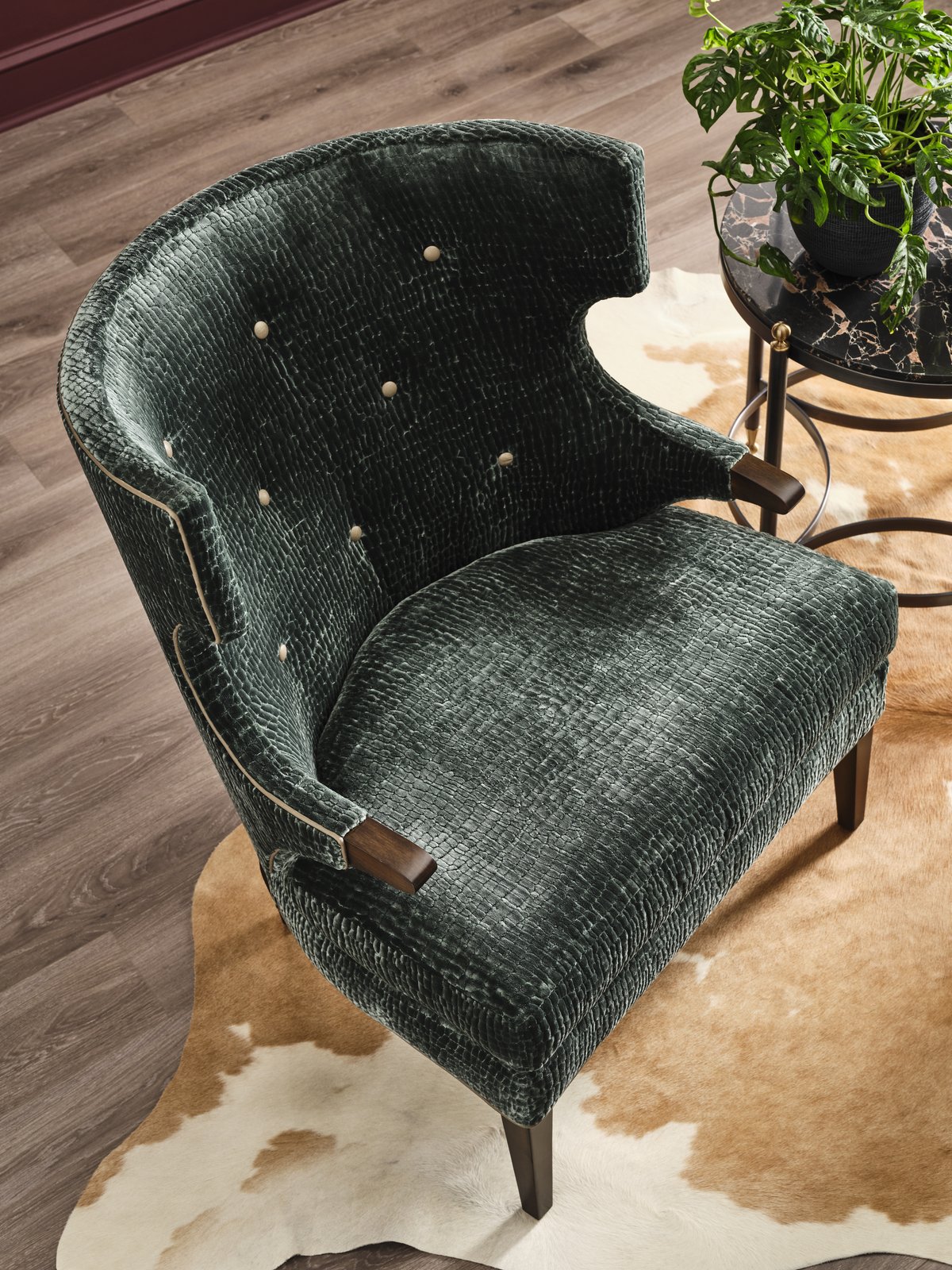
The homes people never want to leave refuse that trade. A cushion filled to hold you rather than to hold its shape. A seat deep enough to fold your legs beneath you. An arm at the right height for a Sunday afternoon and a book. Underneath the fabric, it comes down to construction: a kiln-dried hardwood frame that will not loosen, cushions wrapped to keep their give for years rather than months. They are inches and quiet engineering, not indulgences, and they are the whole difference between a chair you admire and a chair that becomes someone's favorite place in the house. Many of our clients shape those details themselves through custom upholstery, because comfort that specific is worth getting exactly right.
Comfort is what turns furniture into the backdrop of a life instead of the centerpiece of a photograph.
Leave room for the eye to rest
Leave some space open on purpose. Not every surface needs to be earning its keep.
When everything competes for attention, nothing holds it, and a room that should feel calm begins to feel loud. Open space is not emptiness. It is the pause that lets the pieces you love actually be seen. A little restraint is what makes the rest feel deliberate, and a sense of deliberateness is what a room communicates long after anyone remembers a single object in it.
Choose the pieces that will hold your life
Buy for the life you live, not the one you stage. The most cherished homes were never staged. They were lived in, hard and happily.
A sofa earns its place holding movie nights and conversations that run past midnight. A dining table becomes an heirloom through homework and holidays and ordinary Tuesdays. Furniture does not create those moments. It holds them, and it holds up under them, which is why the quiet decisions matter most. A fabric that welcomes children instead of fearing them. A table that stretches to fit one more chair. A room shaped for the life you actually live, rather than the one you arrange for company.
The difference you feel, not the difference you see
None of these decisions announce themselves. No one walks in and praises your seat depth or the temperature of your lamplight. What they say instead is that they do not want to leave. What they carry home is not the room at all. It is how they felt inside it.
The feeling is the whole point, and it is built one small, considered choice at a time. It is also the part we care about long after a piece is delivered and placed, through the years you actually live with it.
When you are furnishing a home you intend to keep, the small decisions are the ones most worth getting right, and a thoughtful second eye is what keeps them from being overlooked. Come visit us in Leawood, or begin with a complimentary design consultation. The small decisions are the ones we most love helping with.